
A palate expander may look simple, but it can play an important role in creating space for teeth and supporting healthy jaw development.
If you have been told that you or your child may need one, understanding how it works can help you feel more confident about the next step.
Why Creating More Space Can Change the Direction of Treatment
The roof of your mouth is known as the palate. It forms the bottom of the nasal cavity and helps shape the upper dental arch.
In some people, the upper jaw develops in a narrow archform. Some of the reasons may be due to mouth breathing or thumb sucking, resulting in the musculature moulding the upper jaw into a ‘V shaped’ arch during the growing stage. When this happens, there may not be enough space for teeth to erupt or align properly. It can also affect how the upper and lower teeth fit together.
A palate expander is used in orthodontics to gradually increase the width of the upper jaw. By creating additional space within the dental arch, it can help improve tooth alignment, support bite development, and prepare the mouth for orthodontic treatment when appropriate.
It is most commonly recommended for children and teenagers whose jaws are still developing, although certain expansion techniques may also be suitable for some adults.
The Science Behind How a Palate Expander Works
Palatal expansion works differently depending on a person’s age.
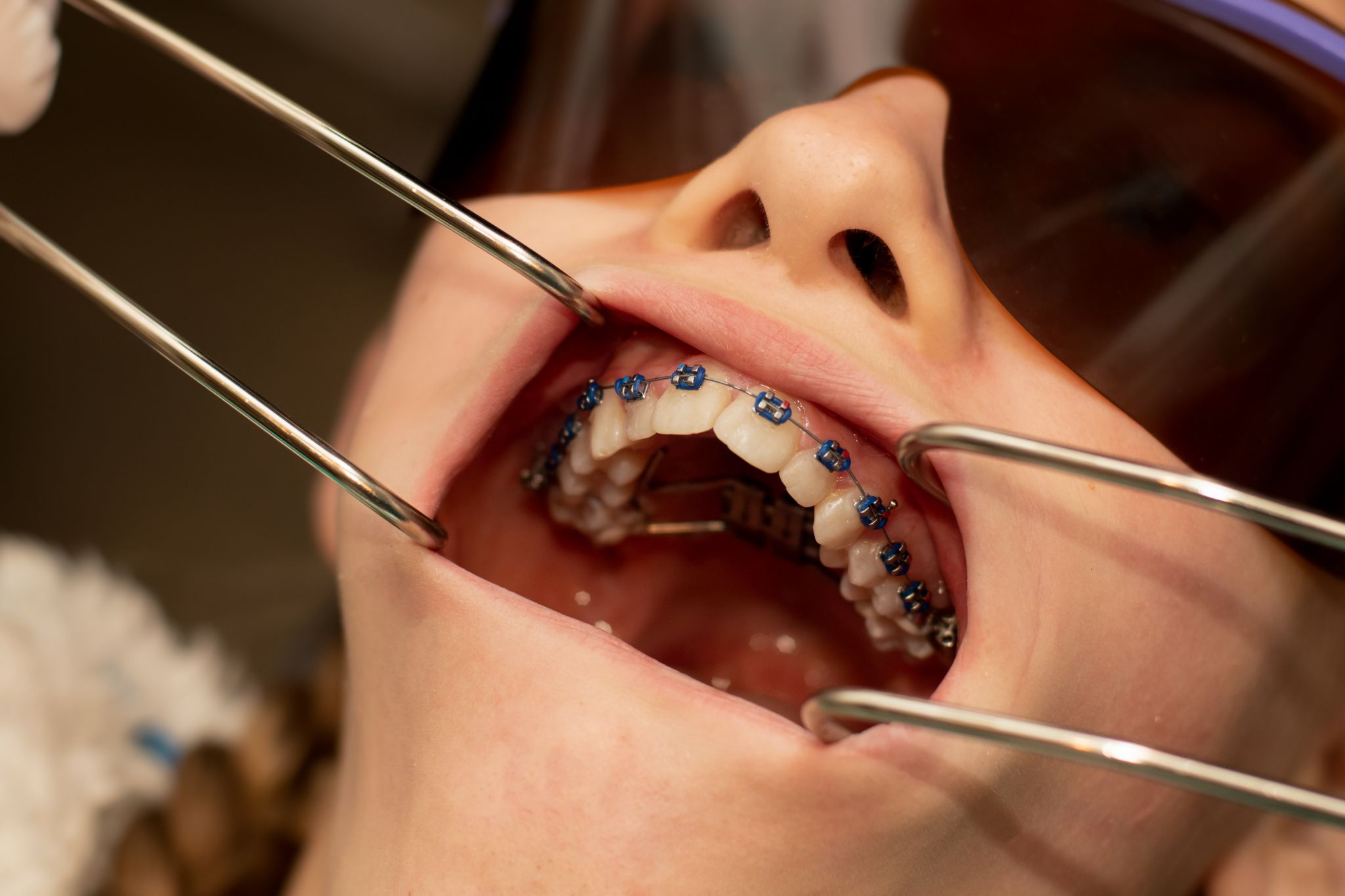
In children and teenagers, the upper jaw consists of two halves joined by a growth plate known as the midpalatal suture. Because this suture has not fully fused, orthodontists can gradually widen the upper jaw using a palate expander.
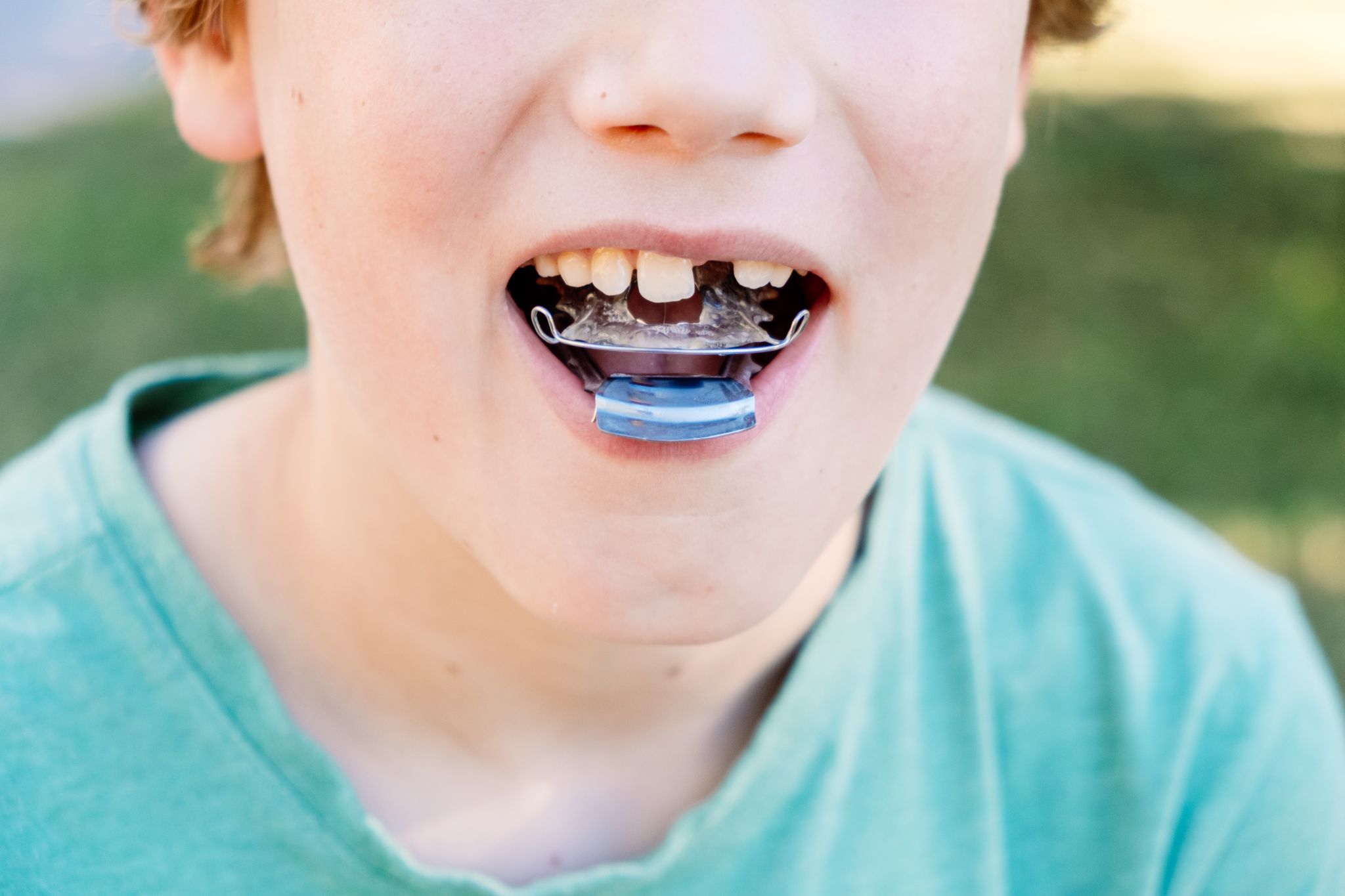
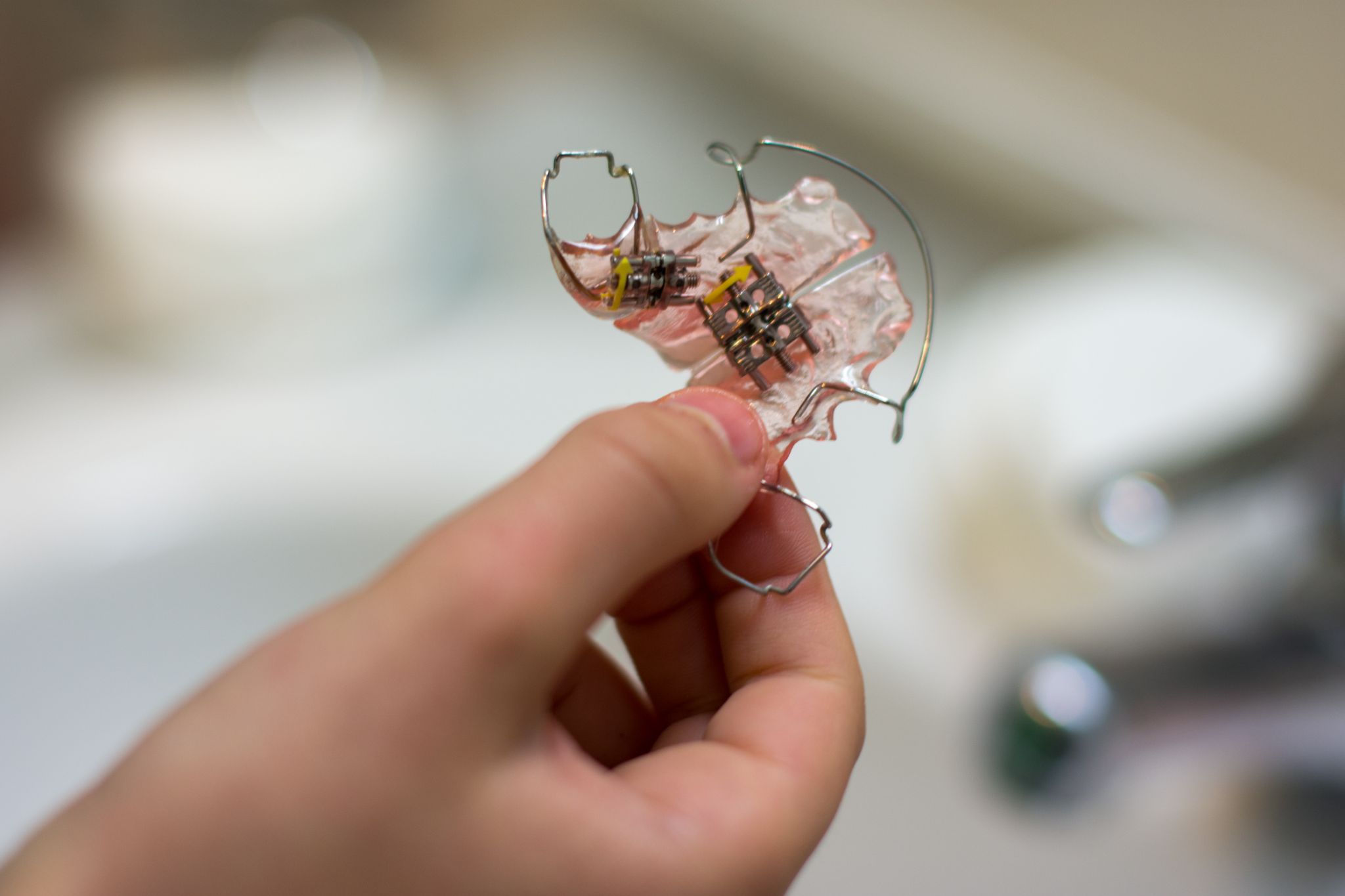
The appliance is typically attached to the upper molars and includes a small expansion screw in the centre. The screw is adjusted according to the orthodontist’s instructions. The appliance can either be tooth bonded, removable, or implant assisted expander.
With each adjustment:
- Gentle pressure is applied to the upper jaw
- The palate gradually widens
- Additional space is created within the dental arch
- Teeth may have more room to erupt or align properly
For adults, the midpalatal suture is usually more matured and less responsive to traditional expansion methods. Depending on the individual’s needs, orthodontists may recommend specialised expansion appliances which mainly expand the teeth or, in some cases, a combined orthodontic and surgical approach.
The most appropriate treatment method depends on factors such as age, jaw development, bite condition, and treatment objectives.
(Source: envato.com)
When a Palate Expander May Be Recommended
Not everyone requires palatal expansion. However, there are situations where an orthodontist may recommend it as part of a treatment plan.
A palate expander may be considered for individuals with:
1. Crowded Teeth With Limited Space
When the upper jaw is too narrow, there may not be enough room for teeth to align properly.
This can contribute to:
- Overlapping teeth
- Rotated teeth
- Teeth erupting outside the dental arch
Creating additional space may help support better alignment.
2. A Crossbite That Affects How the Teeth Meet
A crossbite occurs when some upper teeth sit inside the lower teeth when biting down.
This can affect:
- Bite function
- Jaw development
- Long-term tooth wear
Expanding the upper jaw may help address certain types of crossbite.
3. A Narrow Upper Dental Arch
Some people naturally develop a narrow upper arch compared to their lower jaw.
This imbalance may affect how the teeth fit together and influence orthodontic treatment planning.
4. Impacted or Delayed Tooth Eruption
Insufficient space within the dental arch can sometimes affect how teeth emerge.
Creating additional room may support healthier tooth positioning and eruption patterns.
(Source: envato.com)
The Different Types of Palate Expanders You May Come Across
There is no single palate expander that suits every patient. Orthodontists recommend different appliances based on age, jaw development, and treatment goals.
1. Rapid Palatal Expander
A rapid palatal expander (RPE) is one of the most commonly used appliances for growing children and teenagers.
It is fixed to the upper teeth and uses a central expansion screw to gradually widen the upper jaw over time.
Rapid palatal expansion is often recommended when skeletal growth is still active, making expansion more predictable.
2. Removable Palate Expander
Some expansion appliances are removable and can be taken out for cleaning.
These appliances rely heavily on patient compliance. Consistent wear is important for treatment progress.
3. Miniscrew-Assisted Rapid Palatal Expansion
Miniscrew-assisted rapid palatal expansion (MARPE) is a treatment approach that may be considered for certain teenagers and adults.
The appliance uses temporary anchorage devices, commonly known as miniscrews, to help achieve skeletal expansion with less reliance on the teeth.
Suitability depends on factors such as age, jaw anatomy, and individual treatment needs.
4. Surgically Assisted Palatal Expansion
For some adults, conventional expansion methods may not provide sufficient skeletal widening.
In selected cases, orthodontists may work alongside oral and maxillofacial surgeons to perform surgically assisted rapid palatal expansion (SARPE).
This approach is generally reserved for cases where significant expansion is required.
5. Invisalign palatal expander
The Invisalign Palatal Expander is an innovative orthodontic appliance designed to gradually widen the palate in growing children. Unlike traditional metal expanders that are attached to the teeth and require manual screw adjustments, the Invisalign Palatal Expander uses a series of custom-made, 3D-printed devices to gently expand the palate over time.
Developed using advanced digital technology, each appliance is tailored to the child’s unique dental anatomy, providing precise and predictable treatment.
One of the biggest advantages of the Invisalign Palatal Expander is its smooth, metal-free design. Without wires, brackets, or expansion screws, many children find it more comfortable than traditional expanders. Traditional expanders often require parents to manually activate a screw each day. With the Invisalign Palatal Expander, treatment progresses through a series of pre-programmed appliances, eliminating the need for daily adjustments. Using advanced 3D imaging and treatment planning, orthodontists can customise the expansion process according to each child’s needs, allowing for a highly personalised approach.
What It Feels Like to Wear a Palate Expander
One of the most common concerns patients and parents have is whether a palate expander will be painful.
Experiences vary from person to person, but many describe the sensation as pressure rather than pain.
During the first few days, it is common to notice:
- Mild pressure around the teeth or palate
- Temporary speech changes
- Increased saliva production
- A feeling of fullness in the mouth
These effects often improve as the mouth adapts to the appliance.
During active expansion, some patients may also notice a temporary gap developing between the upper front teeth. This is often an expected sign that the upper jaw is widening.
Your orthodontist will monitor progress throughout treatment and advise whether everything is progressing as planned.
Read more — How to Help Children with Dental Anxiety
(Source: envato.com)
How Long Does Palatal Expansion Usually Take?
The treatment timeline varies from one patient to another.
Several factors can influence the duration of treatment, including:
- The amount of expansion required
- The patient’s age
- Growth and development patterns
- The type of palate expander used
- Overall orthodontic treatment goals
The active expansion phase may last several weeks to a few months.
Once the desired expansion has been achieved, the appliance is often kept in place for a retention period. This allows new bone to form and helps stabilise the widened upper jaw.
Your orthodontist will advise on the expected treatment timeline based on your individual needs.
The Benefits That Often Make Expansion Worth Considering
When appropriate, palatal expansion can provide several orthodontic benefits.
Potential benefits may include:
1. More Space for Teeth
Additional room within the dental arch may help reduce crowding and support better tooth positioning.
2. Improved Bite Relationships
Expanding a narrow upper jaw may help address certain bite discrepancies, including some forms of crossbite.
3. Better Preparation for Orthodontic Treatment
Creating sufficient space early may help facilitate future orthodontic treatment planning.
4. Support for Balanced Jaw Development
In growing patients, expansion may help guide jaw development and improve upper and lower arch relationships.
Every patient is unique. Treatment recommendations are based on a comprehensive clinical assessment rather than a one-size-fits-all approach.
(Source: envato.com)
Why Timing Can Influence Treatment Options
Timing is one of the factors orthodontists consider when evaluating the need for palatal expansion.
For children and teenagers, treatment may be recommended while growth is still occurring because the upper jaw is generally more responsive to expansion.
For adults, expansion may still be possible, but different techniques may be required depending on the structure of the jaw and the treatment objectives.
This is why an early orthodontic assessment can be valuable. It allows potential concerns to be identified and monitored before they become more complex.
Helping Treatment Feel Less Overwhelming
The idea of wearing a palate expander can feel unfamiliar at first.
Children, teenagers, and even adults often adapt more comfortably when they understand what to expect throughout treatment.
You can make the adjustment easier by:
- Understanding how the appliance works
- Following activation instructions carefully
- Maintaining good oral hygiene
- Attending scheduled orthodontic appointments
- Raising any concerns with your orthodontist promptly
Knowing what is happening at each stage of treatment often helps build confidence and reduce uncertainty.
Creating Space Today for a Healthier Smile Tomorrow
A palate expander is designed to gradually widen the upper jaw and create additional space for improved tooth alignment and bite development. While palatal expansion is most commonly performed during childhood and adolescence, certain treatment approaches may also be suitable for some adults.
For individuals with a narrow upper jaw, crowding, crossbite concerns, or insufficient space within the dental arch, palatal expansion may form an important part of an orthodontic treatment plan.
Because every smile develops differently, a professional assessment is the best way to determine whether treatment is appropriate for your needs.
If you are considering braces, palatal expansion, or would like to find out whether treatment is suitable for you or your child, contact The Braces Practice to arrange an orthodontic consultation.